As Nation Confronts Affordability Crisis, More Wealth, Income Tax Measures Appeared On State Ballots
Six states considered measures related to changing their income tax structure
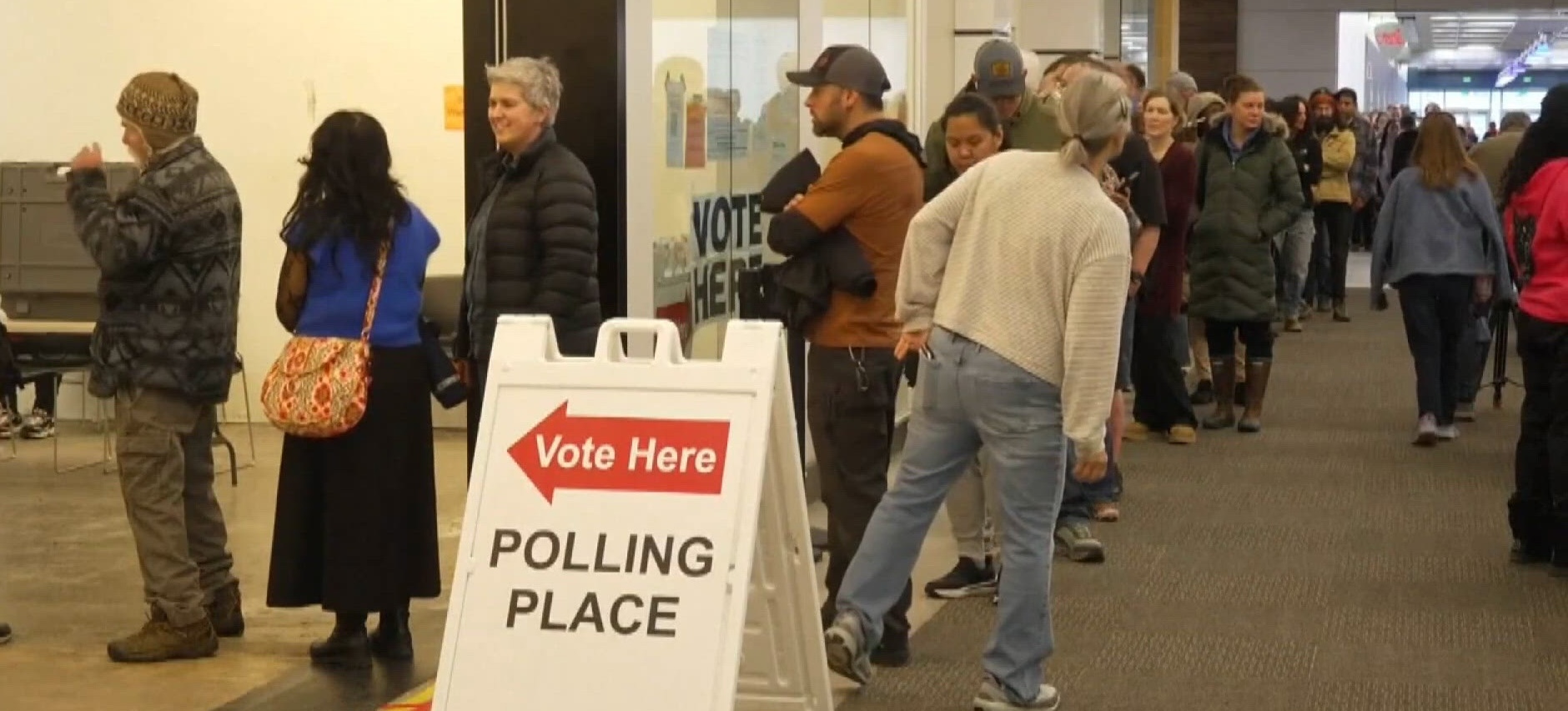

Even though California’s one-time billionaire’s tax proposal seems headed toward failure, voters across the United States supported measures to increase taxes on wealthy households and defeated measures that would restrict them.
In California, voters passed Proposition 3 to permanently keep the state’s current tax rate on higher-income households in place. Voters in the state also defeated Proposition 41 and Proposition 43, measures that would have restricted or made it harder to enact taxes at the state and local levels.
Meanwhile, Washington voters defeated a measure to repeal the state’s millionaire tax, while in Colorado, voters seem likely to have passed Amendment 87 and rejected Proposition 136. Amendment 87 will replace the state’s flat tax rates on personal and corporate income with a graduated rate structure, which will lower taxes for lower-income residents while increasing taxes on higher-income residents. Proposition 136, if it had passed, would have capped the state’s personal and corporate income tax rates at its current level of 4.4 percent.
Missouri’s Amendment 3, which would have reduced the state’s individual income tax until it was entirely eliminated, was also defeated earlier this year.
The appearance of tax measures to keep or instate higher tax rates for wealthier households on state ballots could become more common in the future, according to Amy Hanauer, executive director of the Institute on Taxation and Economic Policy.
“Right now in the United States, the only wealth that we tax…is property tax wealth, which is the primary form of wealth that middle-income people have,” Hanauer said. “We don’t tax wealth in the form of unrealized capital gains or stock portfolios, typically.”
“I think there’s a lot of appetite for doing that, but there’s also nervousness about doing it because it’s a new approach,” she added.
She also indicated that “monied interests” would likely try to keep such ballot measures from passing. This has already played out in both California and Washington, with corporations sinking millions of dollars to defeat the Golden State’s billionaire tax proposal and multimillionaire Brian Heywood backing the campaign to repeal the state’s millionaire tax.
In Iowa and North Carolina, proponents of “tax the rich” measures saw losses this election cycle after voters passed measures that respectively make it more difficult to pass income tax rate changes and reduce state income taxes.
Affordability concerns guided other kinds of ballot measures this election cycle as well, including in the area of property tax reform. In North Carolina and Florida, voters approved measures to reduce property taxes.
At the surface level, these measures seem poised to provide financial relief to families facing rising costs of living in these states. But the passage of these bills are poised to poke holes in local government budgets — particularly in Florida, where Amendment 3’s passage has the potential to be “disastrous,” Hanauer said.
“Florida relies very heavily on property taxes in comparison to other states because it doesn’t have an income tax, and so by undermining the property tax without adding an income tax, it really is going to leave Florida communities able to do less for Floridians,” Hanauer said.
Measures that would have restricted or reduced state and local government’s ability to levy property taxes, despite widespread concerns about affordability, failed to pass in Wyoming and Utah. In Oklahoma, voters also defeated a ballot measure that would have changed the state’s property tax assessment limits in a way that would have likely reduced funding for local public services.
Hanauer said that tax policy measures, even outside of property and income tax reforms, could likely become a bigger topic of conversation. This year alone, 33 tax-related measures appeared on state ballots across the United States. Due to what the Institute characterizes as “upside-down” state tax codes, Hanauer believes more tax-related measures could appear in front of voters in the coming years.
“Most states have tax codes that are upside down that draw more from low- and middle-income voters as a percentage of their income than from the wealthiest,” Hanauer said.
This has left low- and middle-income taxpayers seeking change from state legislators and has directly fueled measures like California’s billionaire tax. Hanauer also said that rising inequality in the United States between tax brackets — fueled in part by cuts from the federal government that will cause the greatest strain on lower-income families — would push these conversations forward in the coming years.
“Any attempt to reverse that [upside-down tax codes] is good for state economies,” Hanauer said. “It makes them more equitable and it raises more revenue from those most able to pay and those who benefit the most from the economy. We expect [tax reforms] to be an ongoing source of debate in society, as we see a country that’s getting more unequal.”